Five Ways the Beef Checkoff Is Working for Dairy
As seen in the fall 2026 edition of The Pulse magazine from the Holstein Association USA.
Milk may be the primary product leaving a dairy operation, but it’s far from the only one. Market cows and dairy steers have long contributed to the U.S. beef supply, while the growth of beef-on-dairy has created even more opportunities for dairy producers to intentionally raise animals that deliver value throughout the beef supply chain. The connection between dairy and beef isn’t new, but it’s becoming increasingly important.
When dairy producers sell cattle, they also invest in the $1-per-head Beef Checkoff and its programs designed to strengthen beef demand and support the long-term success of the industry. Those investments touch multiple points from the dairy farm to the consumer’s plate. Here are five ways Beef Checkoff investments are working for dairy producers.
1. Creating More Value From Beef-on-Dairy
Breeding dairy cows with beef genetics creates an opportunity to intentionally produce calves for the beef supply chain. However, producing a crossbred calf is only the beginning. Capturing the greatest value from those animals means understanding which of their characteristics matter most to calf raisers, feeders, packers, retailers and, ultimately, consumers.
Beef Checkoff-funded research is helping answer those questions. Studies have evaluated everything from carcass and red-meat yields to retail performance and eating quality. Research examining beef-on-dairy carcasses found they can yield valuable middle meats, including tenderloins, ribeyes and striploins. The resulting beef also demonstrated desirable tenderness and retail display characteristics. Other studies have explored genetic opportunities to improve muscling and retail yield while maintaining traits important to dairy producers, including calving ease.
Growth and feed efficiency are other important factors in determining the value of beef-on-dairy cattle. Research from Kansas State University has shown that factors such as placement weight can influence beef-on-dairy cattle’s growth and feed efficiency, suggesting opportunities for dairy producers, calf raisers and feedlots to work together to maximize the animals’ performance as they move through the supply chain.
Animal health presents another opportunity. Research has shown that liver abscesses occur more frequently in beef-on-dairy cattle than in traditional beef cattle, negatively affecting feed intake, weight gain, feed efficiency and carcass value. Given those impacts, Beef Checkoff-funded research has explored new approaches to reducing liver abscesses, which could be particularly relevant as more dairy-origin cattle enter the beef supply chain.
This research is helping the industry better understand what creates value in beef-on-dairy cattle, from the genetics selected at the dairy to the quality of the beef that ultimately reaches consumers. For dairy producers, those insights can help answer an increasingly important question: What kind of calf does the beef supply chain want, and how can I create more value from the calves I produce?
2. Protecting the Value of Cows Leaving the Dairy
Beef-on-dairy calves aren’t the only way dairy producers contribute to the beef supply. Market dairy cows also provide valuable beef, and the decisions a dairy producer makes before those animals leave the farm can affect their welfare, beef quality and overall value.
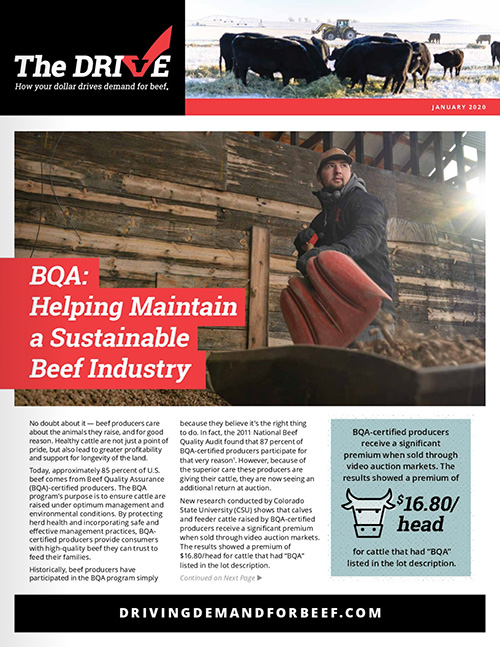
The Beef Checkoff-funded Beef Quality Assurance (BQA) program provides science-based resources to help dairy producers make those decisions. Proactive culling, for example, can help ensure cows leave the dairy while they’re still healthy enough to be transported. BQA also encourages producers to assess factors such as body condition and mobility, observe appropriate drug withdrawal times and follow proper handling and transportation practices. These practices can help protect animal welfare while improving beef quality and value.
For dairy producers specifically, BQA and the National Dairy FARM Program developed Right Way. Right Time., a resource designed to help producers and veterinarians make timely culling and fitness-for-transport decisions while considering both animal welfare and opportunities to capture more value. The Calf Care & Quality Assurance program brings BQA together with the National Dairy FARM Program, Veal Quality Assurance and the Dairy Calf and Heifer Association to provide consistent, science-based guidance for calf health, care and management across beef and dairy production systems.
The takeaway is simple: a cow’s value doesn’t disappear when she leaves the milking herd. Making thoughtful management and marketing decisions up to that point can help safeguard animal welfare, as well as beef quality and value.
3. Finding More Value for the Entire Animal Through Exports
Not every part of a beef animal holds the same value in every market. Products such as tongues, livers and tripe may have limited demand in the U.S., but they’re delicacies elsewhere. Selling them in global markets where they command a higher price per pound helps increase carcass value.
With funding from the Beef Checkoff, the U.S. Meat Export Federation (USMEF) works to develop international demand for U.S. beef, including products that are underutilized in the domestic market. By understanding the preferences of consumers and buyers in individual countries, USMEF can help match beef cuts and variety meats with markets where they’re most valued. In 2024, U.S. beef variety meat exports totaled $1.08 billion. In 2025, beef variety meat exports contributed more than $45 per head of fed slaughter. Overall U.S. beef exports that year were valued at $9.33 billion, equating to nearly $392 per head of fed slaughter.
Regardless of whether an animal originates on a cattle ranch or a dairy farm, finding the market that values each part of that animal most helps maximize its value throughout the beef supply chain.
4. Building Demand for the Beef Dairy Producers Help Supply
Ultimately, the value of the cattle dairy producers raise depends in part on strong consumer demand for beef. That’s why the Beef Checkoff invests in consumer research to understand why people choose beef, what attributes matter most and how eating and shopping habits are changing.
Current research shows consumers continue to enjoy beef even as prices remain high. According to the Beef Checkoff-funded Consumer Beef Tracker, 74% of consumers report eating beef at least weekly, up five percentage points since 2021, and more than 80% say they plan to maintain or increase their beef consumption. The Checkoff also helps fund the Meat Demand Monitor, which digs deeper into the factors driving consumers’ protein choices. That research has found that nutrition and health have grown in relative importance since 2020, while taste continues to be a powerful reason consumers choose beef. Strong consumer demand is also showing up at the meat case: over the latest 52-week period, beef retail sales increased 9.7% to $47.1 billion, while volume grew 2.1%.
The Checkoff uses those insights to shape demand-building programs. Beef. It’s What’s For Dinner. has evolved from a traditional advertising campaign into a digital platform reaching consumers with recipes, cooking information, nutrition education and producer stories. Meanwhile, Channel Marketing works with grocery retailers, restaurants, e-commerce platforms and other partners to help keep beef visible and accessible wherever consumers are making food decisions. Checkoff-funded nutrition research and outreach also help ensure consumers and health professionals have science-based information about beef’s high-quality protein and essential nutrients.
Those efforts are designed to build on strong demand, not take it for granted. Consumer preferences, budgets and shopping habits continue to change, making ongoing research and adaptation essential.
Whether beef comes from a market dairy cow, dairy steer or beef-on-dairy calf, its value ultimately depends on consumers who want to buy it. Understanding those consumers—and continually adapting to how they shop, cook and eat—is one way Beef Checkoff investments work to support demand for the beef dairy producers help supply.
5. Ensuring Dairy Has a Voice in Checkoff Decisions
Dairy producers aren’t simply contributing to the Beef Checkoff—they also have a say in how those dollars are put to work. Dairy producers currently make up approximately 12% of the nearly 100 cattle producers and importers serving on the Cattlemen’s Beef Board (CBB), helping ensure dairy’s perspective is represented as Checkoff priorities and programs are considered.
CBB members serve on committees that oversee areas such as promotion, research, foreign marketing, consumer information and producer communications. Each year, members of the CBB also serve alongside representatives from the Federation of State Beef Councils on the Beef Promotion Operating Committee (BPOC), which evaluates contractor proposals and recommends Checkoff funding allocations, subject to USDA approval.
That participation gives dairy producers a seat at the table as decisions are made about how Checkoff dollars are invested—from research that can add value to dairy-origin cattle to programs designed to strengthen demand for the beef they help supply.
Dairy’s Stake in Beef’s Success
Dairy producers share in the value generated by Beef Checkoff investments, too. An independent 2024 Beef Checkoff return-on-investment study estimated that every $1 invested in the national Beef Checkoff returned $13.41 to the beef industry. As contributors to both the beef supply and the Beef Checkoff, dairy producers are part of the industry that benefits when those investments strengthen demand for beef.
The next time one of your cull cows, dairy steers or beef-on-dairy calves leaves your operation, your connection to the beef industry doesn’t end at the farm gate. You help supply the product, and through the Beef Checkoff, you also invest in research, quality assurance, market development and demand-building efforts designed to support the long-term success of the beef industry.
The Beef Checkoff program was established as part of the 1985 Farm Bill. The checkoff assesses $1 per head on the sale of live domestic and imported cattle, in addition to a comparable assessment on imported beef and beef products. States may retain up to 50 cents on the dollar and forward the other 50 cents per head to the Cattlemen’s Beef Promotion and Research Board, which administers the national checkoff program, subject to USDA approval.