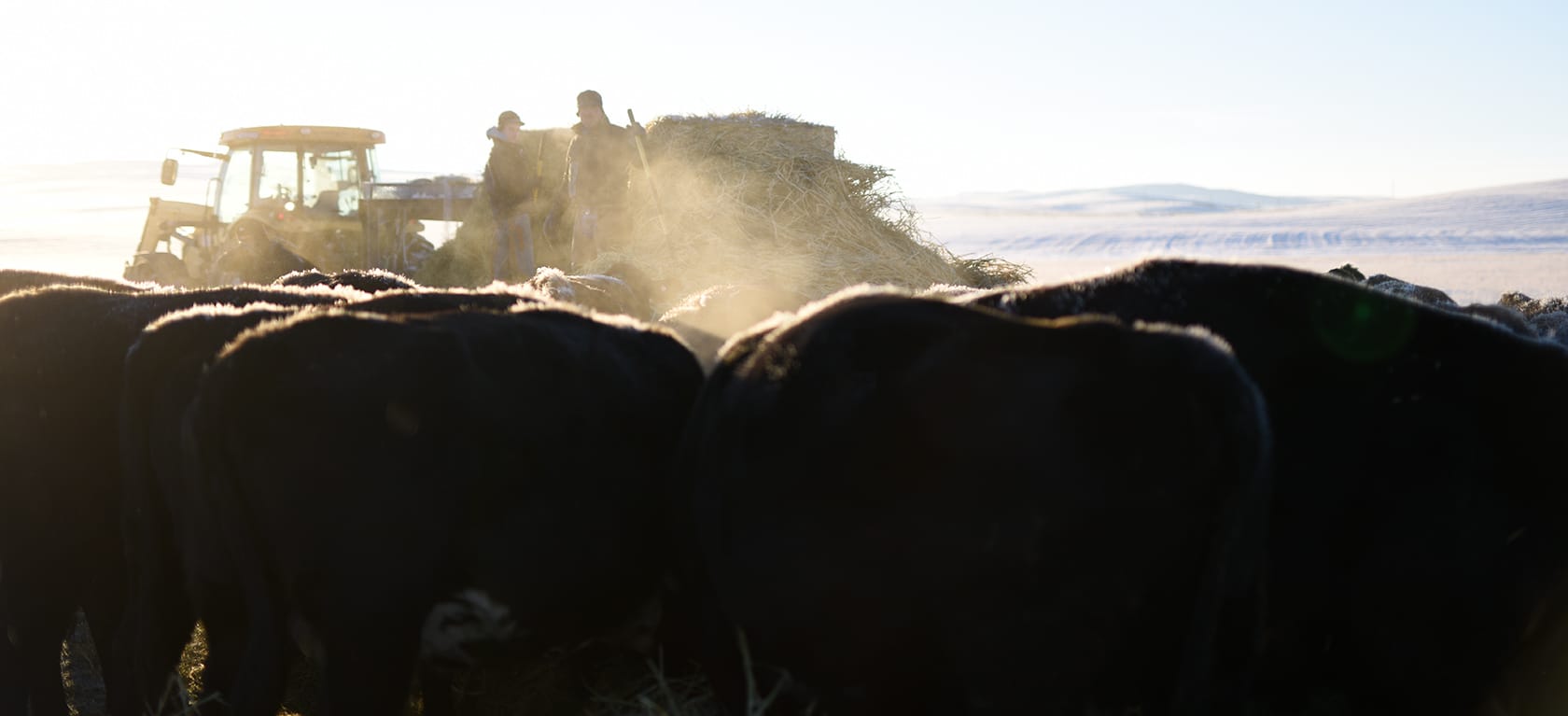
In its beginning, Beef Quality Assurance meant producing beef without drug residues or physical defects. Those standards remain critical today, but over the past 20 years the Beef Quality Assurance (BQA) program has evolved to mean much more. Stockmanship practices, for example, play an important role in preventing physical defects such as bruising or stress-related effects on beef tenderness and grade. These practices also influence public perceptions, as consumers increasingly expect adherence to animal-welfare standards as a necessary component in their perception of beef quality.
 A September Stockmanship and Stewardship conference in Fort Collins, Colo., focused on the important role of animal in BQA, while also providing instruction on improving cattle handling techniques. Colorado State University hosted the event with sponsorship from Boehringer Ingelheim and the national and Colorado Beef Checkoff programs.
Renowned Colorado State University animal-welfare specialist, Temple Grandin, gave the keynote address. She says that while handling practices have improved on cattle operations and at packing plants, many consumers remain unaware of the industry’s progress and continued efforts. The BQA program, she says, provides a scoring system for animal handling, which producers can use to develop a baseline for tracking progress, prevent backsliding, and communicate their efforts.
Immunity and animal welfare are proven allies. Studies have demonstrated the relationship between animal health and beef quality, and the importance of disease prevention, rather than reliance on treatments. Veterinarian Jerry Woodruff, with Boehringer Ingelheim, discussed how overall stockmanship practices complement vaccinations.
“Preventative animal health practices represent a proven path to antibiotic stewardship,” Woodruff says. In the cow-calf herd, this includes nutrition with trace minerals, parasite control, vaccination, and a low-stress environment that allows cattle to optimize performance.
 Adds Value
Good husbandry, like other BQA practices, can add value to cattle and beef while improving ranch productivity and profitability.
Attention to animal well-being also helps fulfill the “social responsibility” aspect of sustainable production, says Lily Edwards-Callaway, an animal scientist and welfare specialist at Colorado State University. She works closely with the packing industry on welfare issues, and says companies initially began documenting their animal welfare standards as a means of avoiding risk. Today however, companies increasingly view that documentation as a marketing tool, and promote their welfare programs to gain a competitive advantage.
Benefits at the Ranch
At the ranch level, producers stand to gain from improved animal health and performance. Colorado State University agricultural economist Dan Moony and beef extension specialist Ryan Rhoades summarized research supporting the benefits of good stockmanship.
Rhoades notes some producers believe low-stress handling will take more time or more labor, but this is not true in most cases. Costs to the producer generally do not increase, so the question hinges on measuring returns. Some are difficult to measure, such as the value of a better work environment for employees. We can, however, measure effects on economic factors such as weight gains and fertility.
Mooney and Rhoades outlined results of several research trials:
- A 2014 Oregon State University study showed low-stress acclimation for replacement heifers improved conception rates and was associated with lower chute scores.
- A Washington State University trial in 2014 showed a 8.4% lower conception rate in heifers rated as “high-temperament.”
- A 2015 Texas A&M University study showed acclimating calves at arrival in the feed yard reduced mortality. Feed intake improved and average daily gains increased by 0.25 lb. in the first 30 days.
- A 2014 study at Virginia Tech found low-stress handling resulted in higher feed intake and an average of 20 lbs. heavier weights at 30 days post weaning.
- Based on 10 years of data, Mooney says foregone weight gains attributable to stress range from $1 to $11 per head, and shrinkage during marketing and shipping can range from $2 to $20 per head. Actual costs can vary widely depending on the operation, Mooney says.
Put it in Practice
Following the presentations, the Stockmanship and Stewardship program moved outdoors for discussion and demonstrations with cattle-handling specialists Curt Pate and Ron Gill. Both say they have seen growing awareness and broader application of low-stress stockmanship principles. They encouraged students and young producers to learn and “carry the torch” in helping the industry improve.
If you want to get good at it, teach someone.
Ron Gill
Work cattle slowly while learning, Pate suggests. Once you become more comfortable with reading cattle, you can work faster. Sometimes, he says, cattle need more pressure rather than less.
Gill and Pate described three types of pressure to use in moving cattle:
- Maintaining pressure. Apply just enough pressure to keep the herd’s attention and keep them moving.
- Driving pressure. Apply pressure to the front of the animal to help get it moving in the desired direction.
- Drawing pressure. Use pressure and release to get cattle to move past you, such as through a gate.
Pate says a person on foot often can apply more precise pressure than the same person on a four-wheeler or horse. Moving cattle on horseback can work well with minimal stress, but requires a skilled rider and well-trained horse to apply and release pressure with precision. Gill stresses the need to stay focused while working cattle. Pay attention to their behavior and reactions, and adjust accordingly.
For free BQA certification or to be recertified free, go to www.BQA.org/certification.
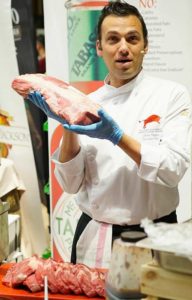 Introducing U.S. beef in a country where it is not well-known, the U.S. Meat Export Federation (USMEF), sub-contractor to the beef checkoff, partnered with the USDA Foreign Agricultural Service (FAS) at the Taste Ambassadors exhibition, an event for HRI professionals in Bucharest, Romania. USMEF joined other agricultural organizations in showcasing U.S. products, presenting new culinary ideas and meeting with Romania’s HRI distributors and their clients.
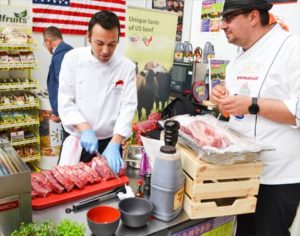 “The goal of USMEF in this kind of market is to educate the HRI audience about U.S. beef, ensure that buyers and traders are aware of the supply of U.S. beef that is available and to introduce beef alternative cuts,” said Barutkin. “In Romania, as is the case with many countries in eastern and central Europe where disposable incomes are rather tight, alternative cuts of U.S. beef present good opportunities for some budget-conscious consumers and allow many more restaurants to feature U.S. marbled beef on their menus.”
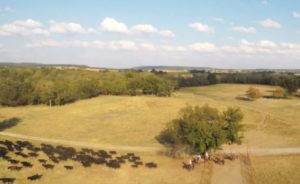


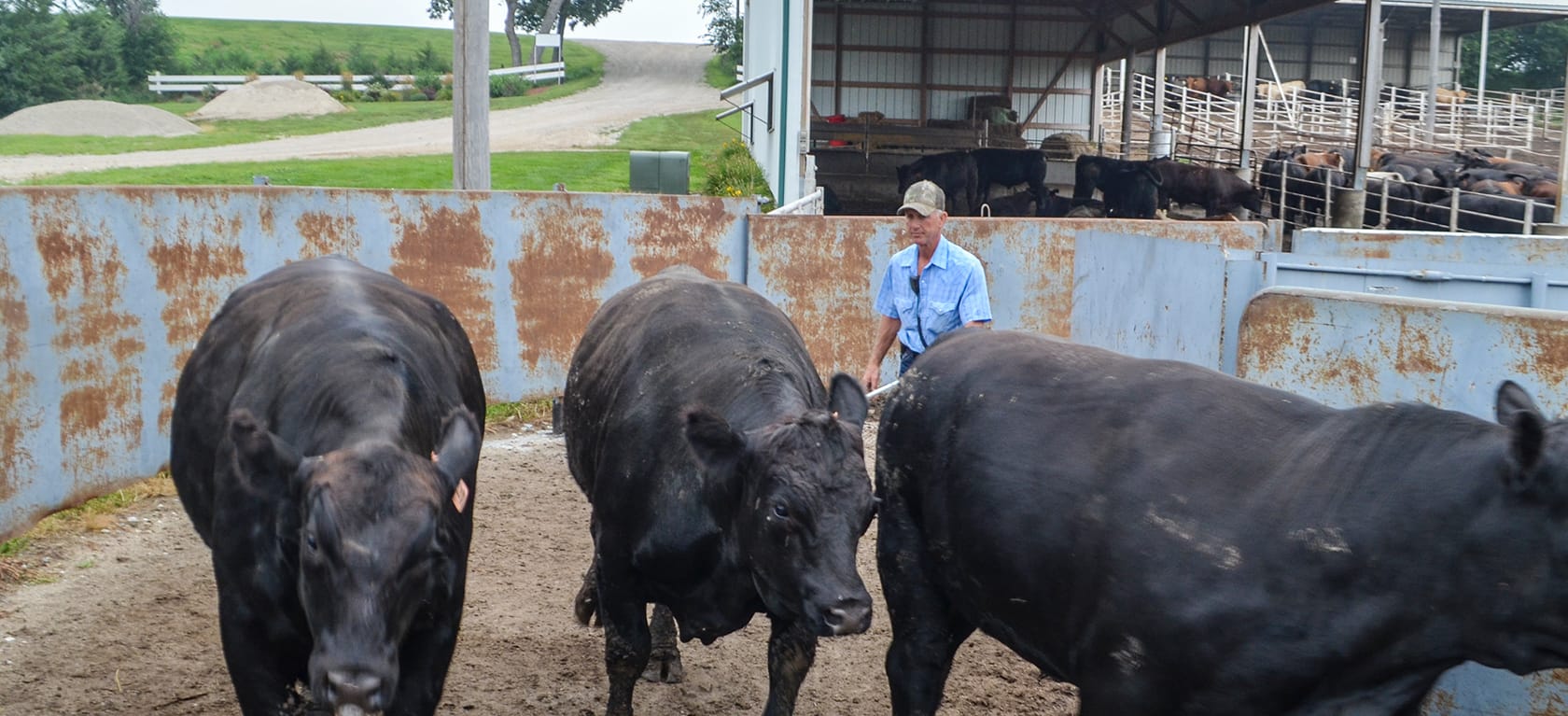


 The Menges Ranch in southeast Arizona explains how the Beef Checkoff has increased the value of beef and improved their cattle-handling techniques. By taking advantage of these programs, they feel confident about the next generation’s prospects in beef production.


 The Driggers Cattle Company was started in the 1970s and now spans four counties in North and South Carolina. They have continued to pass along the operation, and as natural beef producers, Jamie Drigger says the Beef Checkoff helps create marketing opportunities and increase consumer knowledge of beef quality, resulting in the ability to grow their operation.
 Data from the 2016 National Beef Quality Audit (NBQA) suggests the beef industry continues to improve the quality of its products, but there is still room for improvement. Results from the research were presented at a session during the 2017 Cattle Industry Summer Meeting in Denver on July 13.
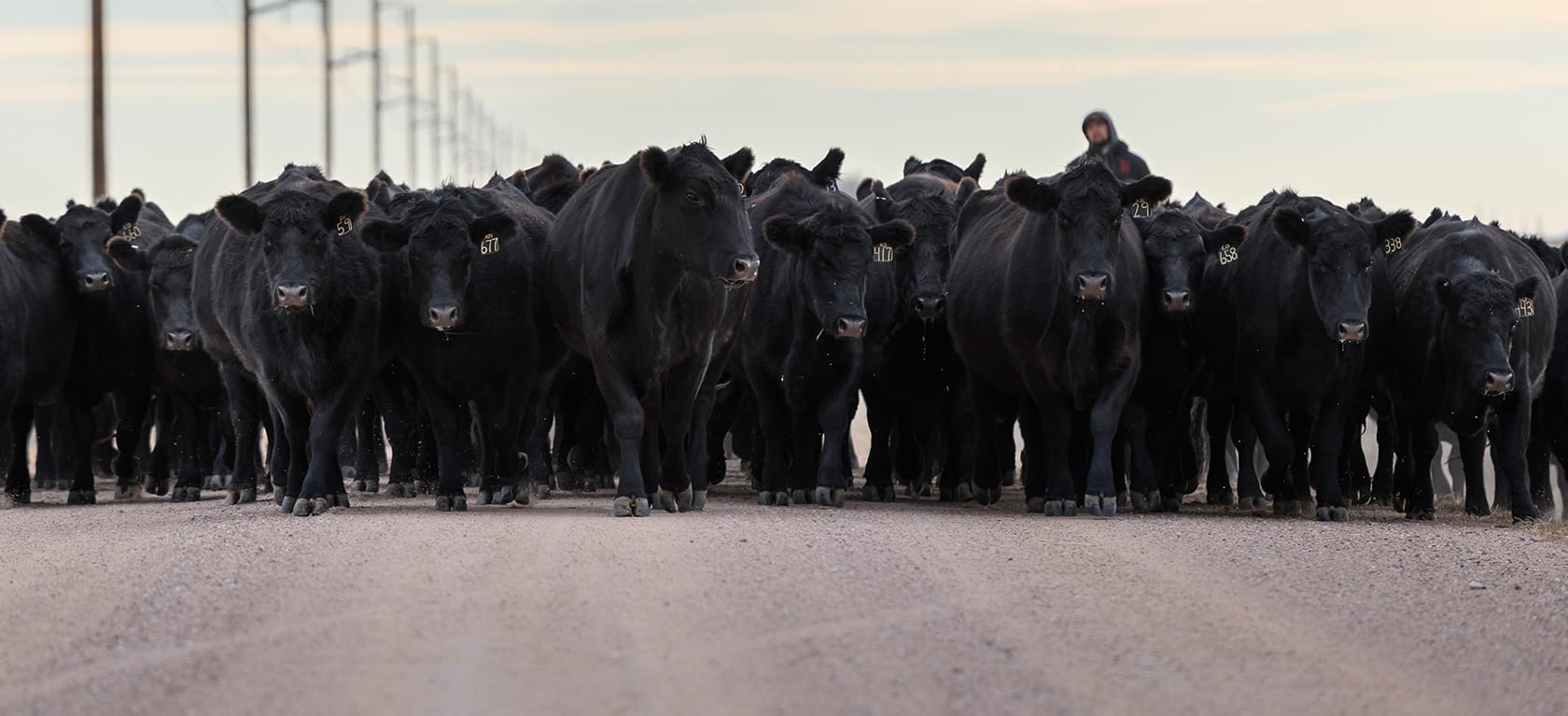
 At Empire Dairy near Wiggins, Colorado, the Dinis family relies on the checkoff-funded Beef Quality Assurance program to teach them cattle-handling techniques, which allows them to sell better-quality beef, along with the high-quality milk produced at the farm. Following good management practices is part of their plan to pass the farm along to the third generation.