My Beef Board Members 
Select State... 
two woman talking on a ranch

Frequently Asked Questions

This May, 2019, urban educators from around the nation traveled to Kansas and New York where they learned the principles of STEM (Science, Technology, Engineering, and Math) through the “On The Farm” experience.

Pioneered by the American Farm Bureau Foundation for Agriculture (AFBFA), contractor to the Beef Checkoff, the On The Farm STEM experience offers a first-hand look at beef production. It brings educators together with ranchers, researchers and veterinarians to see how they apply STEM concepts in the beef industry every day. The program’s goal is to increase participants’ agricultural knowledge and encourage them to better connect STEM with agriculture in their classrooms and curriculums. Over the past three years, AFBFA has engaged more than 200 education leaders, including those from the top 10 urban school districts in the nation.

“Prior to this On The Farm experience, I would have never thought to use hands-on STEM connected to agriculture, but now, I see immediate applications to tie what I’ve learned into science classrooms.” – Jennifer Mayo, Portland Public Schools.

As generations of consumers become further and further removed from agriculture, the need and demand for these experiences continues to grow. This is especially true in urban school districts, such as Los Angeles Unified School District (CA), Broward County School District (FL), Portland Public Schools (OR) and New York City Department of Education.

By investing checkoff dollars toward programs like the On The Farm STEM experience, beef producers are able to educate participants about the food system – resulting in a stronger pasture-to-plate connection.

These national events are moving the needle by enhancing beef perception and intent to consume while also increasing exposure to state programming. Pre- and post-event assessments administered to On The Farm participants indicated major changes in their perceptions of beef after attending the event.

purple sky

Frequently Asked Questions

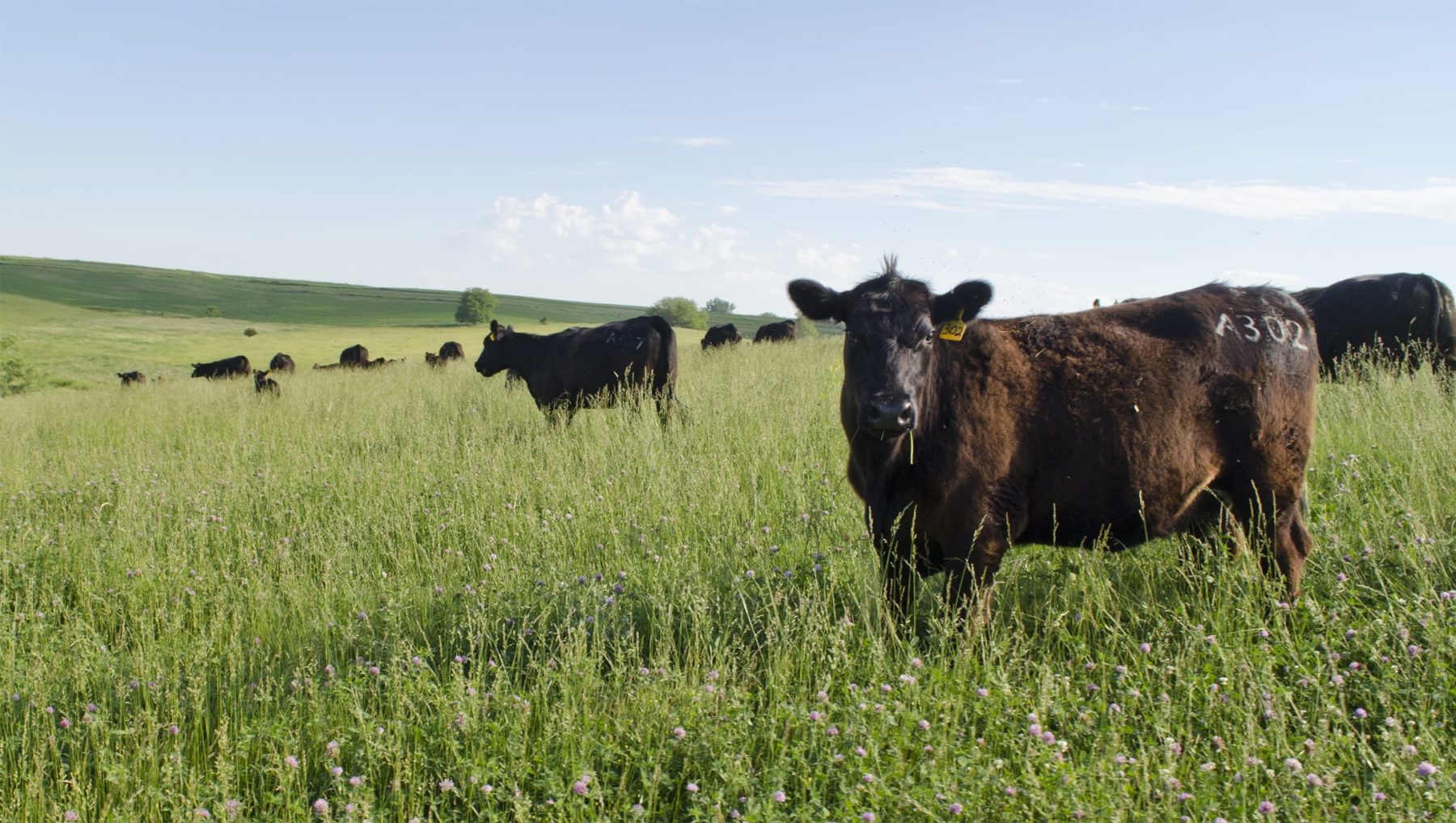
In 2017, the Beef Checkoff began offering free Beef Quality Assurance (BQA) certification. Currently, more than 200,000 beef producers are BQA certified.

Beef producers are dedicated to responsibly raising, safe, wholesome, high-quality beef. Being BQA certified tells consumers that producers have a commitment to delivering a product that is backed by science-based standards. Certification also addresses many questions that consumers have about beef production.
“It only takes a few hours of watching modules and answering questions but serves as a checklist for producers to make sure they are using the latest management practices,” says Josh White, Executive Director of Producer Education for the Beef Checkoff. “We have seen time and time again how consumer confidence is positively affected when BQA standards are followed, and producers have shown their commitment to producing quality beef by being BQA-certified.”

Become certified or re-certified for free at www.BQA.org/certification.

Frequently Asked Questions

According to “Environmental Footprints of Beef Cattle Production”1 a study recently published in the journal Agricultural Systems, widely accepted claims about beef cattle’s environmental impact in the U.S. are often overestimated.

The lifecycle assessment, conducted by the USDA’s Agricultural Research Service and the Beef Checkoff, was designed to scientifically quantify the sustainability of U.S. beef production. Researchers collected and examined feed- and cattle-production-related data from more than 2,200 cattle producers in seven regional production areas. They derived their conclusions by using a simulation model and regional production data to estimate national impacts on greenhouse gas emissions, fossil energy use, blue water consumption and reactive nitrogen loss.

While these conclusions are compelling, a recent EAT-Lancet 50-page suggests that the only way to save the planet is to eat less meat, eat more nuts and beans, or adopt a “flexitarian” diet (defined as flexible vegetarianism, eating more vegetables than meat). Frank Mitloehner, Ph.D., professor and air quality specialist for the Department of Animal Science at the University of California – Mitloehner, says in order to meet EAT-Lancet’s solution of replacing meat with nuts, the U.S. would have to increase nut production by 580 percent.

“What we need are more nutrient-rich foods like beef and eggs,” Dr. Mitloehner explains.

As others try to influence dietary guidelines throughout the world, Dr. Mitloehner cautioned that the often-cited data in the 2006 FAO report (Livestock’s Long Shadow) and other soon-to-follow reports will continue to make inaccurate claims about food production.

“The way you produce animals has a profound impact on environmental footprint,” Dr. Mitloehner says. “Although these reports are full of inaccuracies, don’t just disregard them as they will impact us for a long time. Check them for credibility and respond in a meaningful way.”

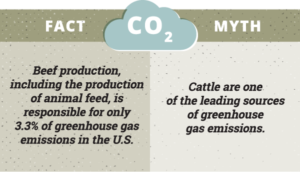
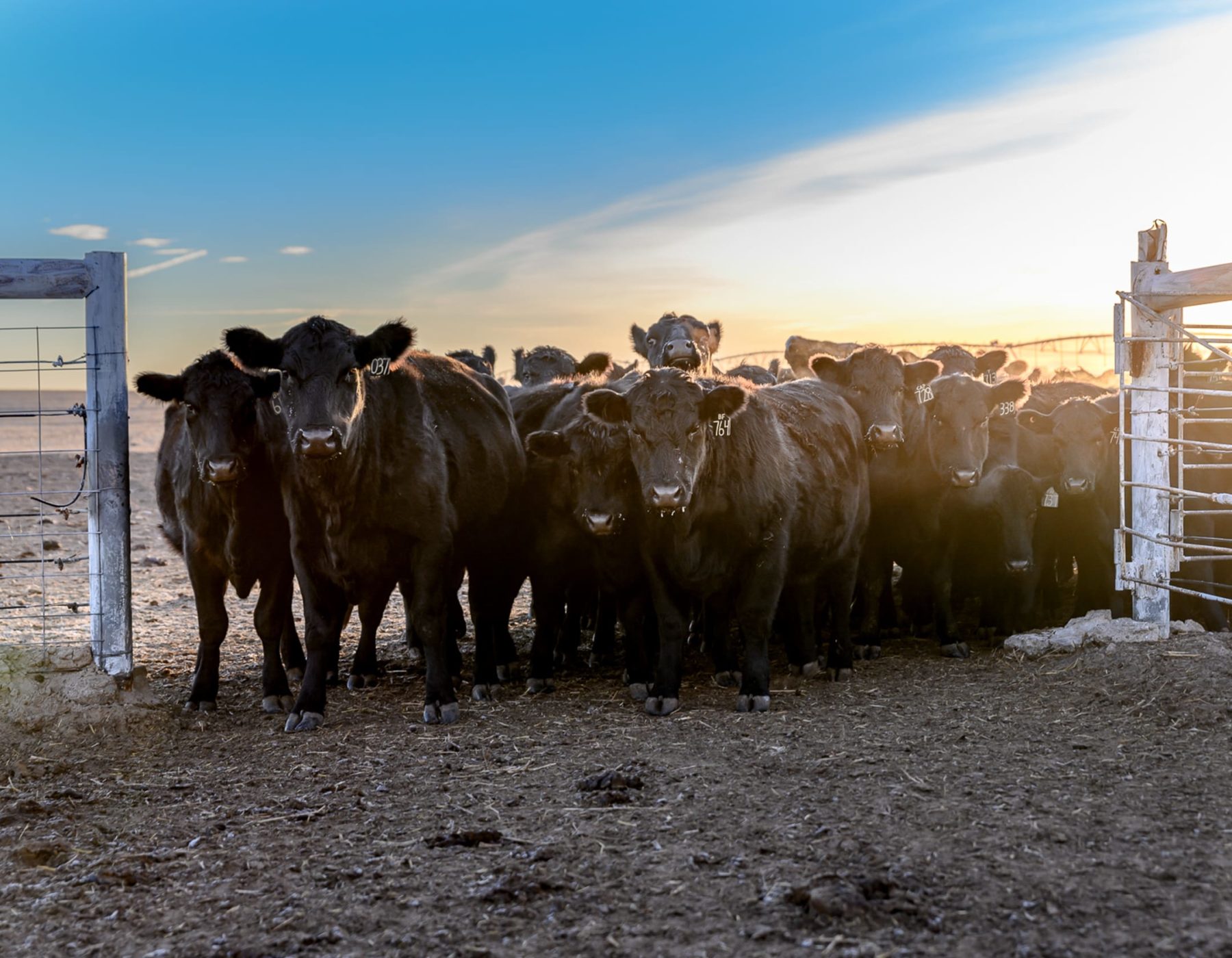
The fact is that beef production, including the production of animal feed, is responsible for only 3.3 percent of greenhouse gas emissions in the U.S. This is dramatically lower than the often-misquoted global livestock figure of 14.5 percent2.

Dr. Mitloehner goes on to explain that global numbers have intentionally distorted the sustainability picture. Truth be told? By continuously improving their production practices, today, U.S. beef farmers and ranchers are able to produce the same amount of beef with one-third-fewer cattle than they did in 1977.

This is exactly why the checkoff conducted the lifecycle assessment – to give consumers and the industry the real story of beef sustainability – something everyone can read and believe.

“This lifecycle assessment delivers the most comprehensive and accurate assessment of the environmental impact of beef cattle in the U.S. to date,” says USDA researcher and study co-author Alan Rotz.

This information was distributed via the wire to consumer-directed media outlets, and it is also currently featured on the “Beef in a Healthy, Sustainable Diet” page on BeefItsWhatsForDinner.com. For more information about beef production practices and sustainability, visit BeefItsWhatsForDinner.com.

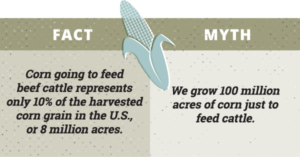
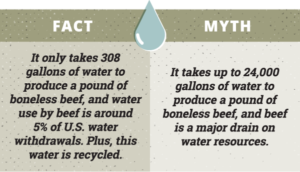
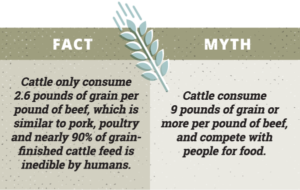
Beef Sustainability: Fact vs. Myth

Source [1]

Source [1]

Source [1]

Source [1]

digital billboard in new york

Frequently Asked Questions

Beefshi was front and center in New York City’s Times Square this past March as the North American Meat Institute (NAMI), a contractor to the Beef Checkoff, introduced the Big Apple to the new items created for the 2019 campaign. Beefshi is a creative, new fusion-food concept that uses prepared beef products like bologna, summer sausage, corned beef and pastrami as central ingredients in sushi.

The theme of the Times Square promotion was “Your Sushi is getting Beefed Up!” Giant, colorful images of Beefshi and a link to Beefshi.com towered above Times Square for all to see.

“Americans have always loved beef, and over the past few decades, their love of sushi has catapulted,” said Eric Mittenthal, vice president of public affairs at NAMI. “In fact, sushi is one of the fastest-growing categories in supermarket deli departments. Therefore, we couldn’t think of a better way to celebrate National Deli Meat Month than focusing on the marriage of beef and sushi.”

Last year, during the retail-focused Annual Meat Conference, hundreds of retailers sampled three Beefshi recipes, and 55 completed a short survey that captured their reactions. Overall, 95 percent of those who tried the Beefshi creations liked them – while half of the retailers said they would make sense at the supermarket.

Working with multiple state beef councils and a chef trained at the Culinary Institute of America, NAMI has developed eight new Beefshi recipes – adding to eight recipes created in 2018. These recipes are intended to introduce the concept and inspire consumers, retailers and foodservice operators to develop their own Beefshi creations.

By finding new and creative ways to market beef, the checkoff is helping drive demand every day. Learn more about Beefshi – including recipes, how-to videos and nutrition facts – at Beefshi.com.

Frequently Asked Questions

More and more consumers are using smart speakers in their kitchens, creating opportunities for beef to engage with them during the cooking process.

Chuck Knows Beef, the only all-knowing virtual beef expert powered by Google Artificial Intelligence, is here and ready to help consumers as their personal guide to all things beef. Chuck Knows Beef was developed by the National Cattlemen’s Beef Association as a contractor to the Beef Checkoff to address the Beef Industry’s Long Plan Range priority of revolutionizing the beef shopping experience.

As tech savvy millennials become parents, beef is meeting the need of this new generation of family cooks looking for food inspiration and information with the invention of Chuck. There are nearly 50 million smart speaker owners in the U.S. today3, with the two most popular devices being the Amazon Alexa and the Google Home Assistant, and Chuck Knows Beef is available as a “skill” on both of these popular smart speakers. People can also access Chuck Knows Beef through their mobile phone, tablet or desktop computer at the BeefItsWhatsForDinner.com or the vanity website ChuckKnowsBeef.com. There have been more than 13 million visits to the BeefItsWhatsForDinner.com since it relaunched in October 2017, and Chuck brings all of the beef knowledge from the website into these popular smart-speakers.

Who is the smart speaker consumer?

Why is this relevant?

Seventy percent of people agree that technical support would be helpful when shopping for beef with another 65 percent agreeing it would influence their purchasing decisions. 4Based on this research, Chuck was designed to fit consumer needs with instant access to recipes, cut and nutritional information and cooking tips – plus a whole lot more. If a user finds a recipe through Chuck, he can even text them the shopping list!

“Artificial Intelligence and its role in marketing are rapidly evolving every day, and the Beef Checkoff is on the cutting edge by investing in this technology to constantly meet changing consumer expectations,” said Season Solorio, Senior Executive Director, Brand Marketing & Communications, National Cattlemen’s Beef Association, a contractor to the Beef Checkoff, who manages the “Beef. It’s What’s For Dinner.” brand. “In March we will turn things up a notch with an exciting campaign that will be an integrated effort, including digital advertising, media relations, influencer engagement and supply chain activities, to bring more widespread awareness to Chuck.”

From artificial intelligence to virtual reality ranch tours, beef continues to embrace technology in new ways. Through the introduction of Chuck, the checkoff is enhancing consumers’ knowledge and experience with beef at the store and in the kitchen. Chuck also provides the opportunity to have a real-life focus group so that the Beef Checkoff can constantly understand what the consumer needs and wants in real-time and understand the nuances in how people talk about beef.

Quickly access Chuck at ChuckKnowsBeef.com, or enable Chuck Knows Beef with any Amazon Alexa or Google Home Assistant, and join the 500,000 consumers who have visited Chuck so far.


Frequently Asked Questions

Did you know that the volunteer board members responsible for making decisions about your checkoff dollars at both the state and national levels are checkoff-paying, beef farmers, ranchers and importers? This structure is designed to ensure that producers like you are responsible for directing, reviewing and approving expenditure of all checkoff dollars.

If you are interested in throwing your hat into the ring to be one of the 99 members of the Cattlemen’s Beef Board (CBB), then share your interest with a certified nominating organization to learn about being nominated for consideration by the U.S. Secretary of Agriculture to serve a three-year term. Nominating organizations represent beef and dairy producers in 37 states and three regions, based on total cattle numbers in each state. Importer appointments are drawn from nominations by importer associations.

“Serving on the Beef Board gives me the opportunity to have a voice – real input – in how our checkoff monies are invested,” explains CBB member Amelia Kent, Louisiana cow-calf producer.

“Given consumer concern about the safety of our food supply, it is critical for farmers and ranchers to tell our stories and interact with the consumer audience. If we don’t, someone else will tell our stories for us, and those stories could be laced with misinformation or their own agendas. It’s simply damaging to our industry and our product for us not to step up.”

“Serving on the Board provides a better understanding of how our checkoff monies are invested, insight to the results of those promotional efforts and the opportunity to shape further investments with the ambition of increasing beef demand,” said Kent.

New members joining the CBB will begin their three-year term in February 2019. View new and reappointed members here.

Frequently Asked Questions

Antibiotic resistance is directly related to how frequently we use them. However, as an industry, we cannot stop using antibiotics – they are extremely important. This is called the antibiotic resistance paradox. This topic is important to consumers, which encourages the beef community to be up-front and transparent about the science behind using antibiotics in beef production, as well as good husbandry efforts on farms and ranches. Your Beef Checkoff recently sponsored the National Institute for Animal Agriculture’s (NIAA) 8th Annual Antibiotic Symposium where all sectors of the animal food production industry and partners in public human health continued the dialogue around the new and developing science of antibiotic use.

“Animal agriculture is clearly making progress in addressing antibiotic usage in the industry and providing key leadership around resistance from a One Health perspective,” said Dr. Nevil Speer, NIAA board chair and this year’s symposium forum moderator. “With respect to leadership, the need for open communication continues to exist to ensure that all stakeholders of the resistance issue are talking with one another. The symposium is one of the most important components of ensuring that occurs – especially given the cooperation with CDC [Center for Disease Control]. There continues to be a significant need for communication focused towards the general public around antimicrobial resistance. This may be more important than ever!”

“We have a responsibility of judicious antibiotic usage, but also, we have a responsibility to treat animals if they’re sick, just as physicians have a responsibility to treat children and adults when they become sick with a bacterial infection,” said Bob Smith, DVM with Veterinary Research and Consulting Services, LLC, a seven-veterinarian practice group that provides service to feedlot clients in nine states. “Whereas antibiotics are the foundation of medicine, agriculture and the food security, it provides the foundation of civilization itself.”

During the Antibiotic Symposium, Joan Ruskamp, chair of the Cattlemen’s Beef Board, addressed how producers are adapting and responding to the changes in the marketplace and continuing to provide a wholesome and abundant food supply. “We are able to use less to do more because of technology. On our farm, we have antibiotic protocols in place and only use those with four- to 10-day withdraw times. The work environment on our farm is ‘do the right thing’ to produce our food. By taking care of our animals, we are taking care of people because we are providing food and helping people thrive. We need to take every chance we have to communicate this to consumers.”

runner being interviewed

Frequently Asked Questions

Get your laces tightened up, we are running for beef!

Every weekend, Northeast Team Beef members positively advocate for beef as they participate in road races located in the New England and Mid-Atlantic regions. The 31 members on the team have collectively ran 499 miles since October 1, 2018.

The concept of Team Beef is not a new one, but it is a program that is constantly changing, incredibly relevant and one that at the core, addresses the beef industry long range plan strategic initiative of “Engaging Beef Advocates.” Team Beef is a nationally supported program through which the Northeast Beef Promotion Initiative is able to extend the rich educational content developed by the checkoff to Team Beef members.

And, what better group of first-party spokespeople to exemplify the nationally developed messages of the Strength Campaign than Team Beef members?

Reaching the Masses

Northeast Team Beef members reach two primary groups. The first being other runners through their in-person participation in race events. The races all take place within the region and can be anything from small local races to large urban races. The second audience includes their own circles of influence on social media. These Northeast Team Beef members have a large social media reach each and every time they complete a race – proudly advocating for beef in the diet of an athlete. During the first quarter of the year, they have a total reach of 46,919 and 6,638 engagements. These engagements are furthering the mission of the beef checkoff, which is to drive demand for beef!

Every one of these individuals has a unique story to tell about how they believe beef is a beneficial part of their diet – crucial to their recovery and an integral part of their weekly meals.

Hear From Just a Few:

Karen Esdall: Karen is from Virginia, and at the start of her running journey, Karen weighed 270 pounds. Today, she is a proud, strong and very active, 170-pound runner who enjoys running. In addition to becoming more physically active, Karen also is more careful about what she eats. She shares that carbohydrate-heavy meals followed by sugary desserts have been replaced by lean meats, good fats and delicious salads – not drenched in creamy dressings. Karen has learned how to design a healthy diet and fill her plate with nutrient-dense foods, making beef something she is really passionate about! This past fall, she ran her first full marathon.

Abbie Gellman: Abbie is a Registered Dietitian and chef based in New York City. She is one of the newest members and since joining the team, has increased her chatter about beef on social media. She demonstrates a growing level of interest in learning more about beef and the beef community as she continues through her journey as a Northeast Team Beef member.

Chris Free: Chris, from Virginia, is new to Team Beef and has been using his connections with local media outlets and his profession as a creative media manager to document his races.

Meg Sauve: Also from Virginia, Meg is a former officer in the Marine Corps and served two tours in Iraq. She may be one of the most die-hard consumers of beef on the team. She shared this quote in her member profile, “Beef is such a fantastic nutrient-dense food. It’s satiating and satisfying, and there are so many options – my favorite being a ribeye steak. I have seen such great progress with my own running and health since going low-carb, and I hope that others can learn that you do not have to depend on carbs, grains, sugar, or even super lean white meats — that a good steak or ground beef or filet can fuel your body, your workouts and your brain – and keep you feeling great!”

To learn more about how to advocate on Team Beef, contact your state beef council.

rancher carrying a hay bale

Frequently Asked Questions

CENTENNIAL, CO – Cattle producers Chuck Coffey, Jared Brackett and Hugh Sanburg are the new leaders of the Cattlemen’s Beef Promotion and Research Board or better known as the Cattlemen’s Beef Board (CBB). This officer team is responsible for guiding the national Beef Checkoff program throughout 2019.

Coffey, Brackett and Sanburg were elected unanimously by their fellow Beef Board members during the 2019 Cattle Industry Convention in New Orleans on Friday, February 1, 2019. Coffey will now serve as the CBB’s chairman, while Brackett will transition from his role as the 2018 secretary/treasurer to vice chair. Sanburg is the newest member of the officer team – taking on Brackett’s former responsibilities as secretary/treasurer.

The CBB’s new chair, Chuck Coffey, is a fifth-generation rancher who grew up on a ranch in the hill country of Harper, Texas. He earned his bachelor’s and master’s degrees in range science from Texas A & M. After completing his master’s degree in 1985, Coffey taught agriculture at Murray State College in Tishomingo, Oklahoma, eventually chairing the department until 1993 when he joined the Noble Foundation as a pasture and range consultant. Today, Coffey and his wife operate a cow-calf operation with approximately 1,000 head of cattle near Springer, Oklahoma.

“I’ve been active in the cattle business most of my life,” Coffey said. “As I look forward to the year ahead, I truly believe that cattle producers have numerous reasons to be optimistic. As the CBB’s new chair, I plan to work closely with our officer team and do everything I can to successfully guide the checkoff as it continues to pursue its primary mission: increasing beef demand worldwide.”

Vice chair Jared Brackett is a fifth-generation cow-calf producer from Filer, Idaho. Brackett is a Texas A & M alum and die-hard Aggie fan with a degree in agriculture economics. A past president of the Idaho Cattlemen’s Association, Brackett continues to serve on a number of other livestock committees and boards in addition to his responsibilities with the Beef Checkoff program.

The CBB’s new secretary/treasurer, Hugh Sanburg, hails from Eckert, Colorado, where he is a managing partner with his brother, of their primarily Horned Hereford cow-calf operation, accompanied by a Registered Hereford operation to compliment the commercial herd. Sanburg graduated from Colorado School of Mines with a degree in mining engineering in 1983 before moving back to the home ranch in western Colorado. For the past 30 years, Sanburg has been an active member of the Colorado Farm Bureau serving on various boards. He is also a member of the Colorado Cattlemen’s Association and serves as chairman of the Gunnison Basin Roundtable.

“We have a tremendously talented and dedicated group of individuals leading the CBB throughout 2019,” said Joan Ruskamp, past chairman of the board. “Chuck, Jared and Hugh personally understand the challenges that producers and other beef industry investors have today, but they also clearly see the many opportunities that lie ahead. I’m certain that they’ll work very hard to help the Beef Checkoff achieve new levels of success this year.”


tractor in the field at night

Frequently Asked Questions

Agriculture Secretary Sonny Perdue today announced the appointment of 35 members to the Cattlemen’s Beef Promotion and Research Board also known as Cattlemen’s Beef Board (CBB). Producers and importers newly appointed to serve 3-year terms are:

  • Mary Jo Rideout, Red Rock, Arizona
  • Hugh Sanburg, Eckert, Colorado
  • Stephanie Dykshorn, Ireton, Iowa
  • David C. Bruene, Kelley, Iowa
  • Randall W. Debler, Alma, Kansas
  • DJ Edwards, Hamilton, Kansas
  • Amelia Kent, Slaughter, Louisiana
  • Ken Blight, Albion, Michigan
  • Penny Zimmerman, Foley, Minnesota
  • Larry Jefcoat, SoSo, Mississippi
  • David B. Hutsell, Hartville, Missouri
  • Bree A. DeNaeyer, Seneca, Nebraska
  • David W. Hamilton, Thedford, Nebraska
  • Robert Crabb Jr., Siler City, North Carolina
  • Bill King, Moriarty, New Mexico
  • Angie Meyer, Okarche, Oklahoma
  • Vaughn Thorstenson, South Dakota
  • Eric Sumption, Frederick, South Dakota
  • Kristina Oldfield McKee, Lebanon, Tennessee
  • Ernie A. Morales, Devine, Texas
  • Bilynn Johnson, Happy, Texas
  • Charlie Price, Oakwood, Texas
  • Don Smith, Sulphur Springs, Texas
  • Wallace Schulthess, Woodruff, Utah
  • Bob Mitchell, Wauzeka, Wisconsin
  • Terry Quam, Lodi, Wisconsin
  • Irvin J. Petsch, Wyoming
  • Jack Parent, Swanton, Vermont, Northeast Unit
  • C.W. Senn Jr., York, South Carolina, Southeast Unit
  • Rocky Pinheiro, Glenn, California, Southwest Unit
  • Melvin Medeiros, Laton, California, Southwest Unit
  • Ruby L. Uhart, Wells, Nevada, Southwest Unit
  • Steven Hobbs, Larkspur, Colorado, Importer
  • Nicholas Brander, Wilmette, Illinois, Importer
  • Fred A. Sorbello, Mullica Hill, New Jersey, Importer

The board is authorized by the Beef Promotion and Research Act of 1985 and has 99 members — all of whom are beef producers or importers of cattle, beef or beef products.

More information about the board and list of board members is available on the Agricultural Marketing Service Cattlemen’s Beef Board web page.

Since 1966, Congress has authorized the establishment of 22 industry-funded research and promotion boards. They empower farmers and ranchers to leverage their own resources to develop new markets, strengthen existing markets and conduct important research and promotion activities. USDA’s Agricultural Marketing Services provide oversight, paid for by industry assessments, which ensures fiscal accountability and program integrity.

Contact Information:

Carl E. Purvis, carl.e.purvis@usda.gov, 202 690-0488, Release No.: 181-18

tractor moving hay

Frequently Asked Questions

The old adage goes: “It’s a great big world out there.” When it comes to beef export markets, did you know the U.S. exports to more than 80 countries? And, did you know those efforts to promote your product overseas add value back to your operation? To put it into perspective, as of August 2018, value per head for fed slaughter was valued at $318.66, according to data released by USDA and compiled by the U.S. Meat Export Federation (USMEF).

“For the sake of future generations, it is essential that we continue to look forward and never stop extolling the benefits of global trade,” said Dan Halstrom, President and CEO of USMEF, contractor to the beef checkoff. “USMEF is excited about the recent market access developments as U.S. beef exports continue to achieve tremendous growth – not only in our mainstay Asian markets but also in the Western Hemisphere.”

Foreign Marketing in Action: Cooking in China

USMEF recently conducted four consumer cooking classes in Shanghai in an effort to increase awareness of U.S. beef by engaging young professionals with an interest in home cooking. The classes combined education with social media activities to reach a wider audience across China’s most populous city. Each class featured a dietitian presenting the benefits and attributes of U.S. beef and sharing information about their nutritional aspects.

Japanese Journalists

The Minnesota Beef Council recently hosted a group of journalists from Japan interested in learning more about the beef industry. Journalists who participated included a food blogger, a writer for a food and wine magazine, writers for both a men’s and a women’s magazine and a photographer. Plus, a USMEF representative of the Rancher’s Legacy and Big Steer Meats shared experiences in an effort to expose the visitors to the beef processing sector. The visit enabled the journalists to ask questions and take photos of exemplary industry representatives so they could write about the experiences when they return to Japan.

Heartland Team Tour

The USMEF Heartland Team recently returned from a six-day educational trip to Osaka and Tokyo, Japan, to share and learn about ways to expand beef markets in Asia. The team met with representatives and perhaps, more importantly, Japanese consumers to learn about the country’s tastes and preferences in the U.S. beef market.

“USMEF continues to work to show U.S. producers the export market potential in Japan and how we create demand for U.S. red meat and develop the Japanese market,” continued Halstrom. “Japan is our largest market, and despite some of the trade challenges we’ve faced, the numbers continue to look very good. We hope producers see what we have accomplished as an industry but also what we need to continue to develop to keep export trends going in this same positive direction.”

man riding horse while herding cows

Frequently Asked Questions

As cattle producers, you may know we import beef and beef products into the U.S. But do you know why it helps meet domestic demand for beef?

Let’s start with the basic facts:

  • Importers pay a $1-per-head equivalent on all live cattle, beef and beef products imported to the U.S., adding an average of $7.4 million per year to the Beef Checkoff budget between Fiscal Years 2015-2017 according to Cattlemen’s Beef Board (CBB).
  • The U.S. is the fourth-largest beef exporting country and the largest beef importing country according to data from FAS/USDA. However, the story behind those numbers is not as simple as the need for more cattle to meet demand but instead, the need to meet demand for certain parts of the animal such as lean trim.
  • According to the white paper, “The U.S. Ground Beef Market: Why Imports Help,” lean trim is in very short supply in the U.S. because the number of beef and dairy cows producers are sending to market has declined significantly during the last decade. As a result, the U.S. simply is not producing enough lean trim to meet demand right here in this country.

The vast majority of beef that the U.S. imports is lean trim (90-plus percent lean) primarily from Australia and New Zealand. In the U.S., we mix that lean trim with 50/50 lean and fat ground beef to meet domestic consumer demand for lean beef.4

The U.S. domestic supply is mainly from fed cattle. A by-product of the retail beef cuts produced from fed cattle is 50 percent fat trimmings. These are mixed with lean trimmings to produce ground beef for hamburgers, meatballs, — hence the need for additional lean beef that is supplied by imports. At the same time, it increases the value of the fat trimmings.

Without this imported trim, the U.S. beef supply would run far short of the lean ground beef required to meet that consumer demand. A growing number of consumers say they would turn to other, leaner protein options if lean ground beef was unavailable or too expensive.5

More recently, following checkoff-funded educational seminars and workshops on alternative beef cuts, importers began diversifying their U.S. beef portfolios, adding brisket, top blade, flap steak and sirloin.

There are cattle production systems in other parts of the world where lean beef can be, and should be, produced as a primary product. Over time, it makes sense for the U.S. to import more of its lean beef while selling more high-value fed beef, both domestically and in the export market.

Considering the entire picture, including the value of all the U.S.-grown beef that goes into the ground beef supply, imported lean beef actually enhances the value of the beef market. In addition, importing lean beef helps beef farmers and ranchers to maximize their competitive advantage of beef production.